
Content Audits: A Complete Guide for Stronger SEO and Better Performance
A check of your page is a strong SEO step. Many firms do not do this. A check of page words shows what works on your site. It tells what is old or weak. It points to what you need to fix. You get the full view of your page work. This helps you to pick the best steps. Now, sites must fight to win on the web. A good page check helps your rank. It brings more folks to your page. It makes your whole SEO plan strong.
Here, you will learn all about page checks. The guide will use short, clear words for you. The tips work for smart SEO.

What Is a Content Audit?
A content check looks close at all the stuff on your site. It checks how good it is & how well it does. You see if your words match what people want to find. You see if it helps their needs. A check finds old pages, weak stuff, & spots to fix. It finds what needs more work. It shows which pages do well. You can share them more. In short, a check shows what to fix, cut, or make better. You see what to change & what to keep.
Why Are Content Audits Important?
Content checks help you keep your site good.
Web find tools look at your site’s words.
They want fresh, new, smart, & clear words.
Old or weak words hurt your spot & your views.
A check helps you see these bad bits first.
Fix them fast, before they drop your rank.
Do checks many times to keep your site strong.
Your page will stay fresh, fit, & on top.
How Does a Content Audit Work?
First, get all links from your site. Put links in one sheet or tool.
Each link is looked at for good or bad, words, users, clicks, & more.
The check also looks for site problems like word size, shape, & tags.
From what you learn, each page gets a tag: “Keep,” “Fix,” or “Cut.”
This step by step way makes your site strong & neat.
Types of Content Audits
You can sort checks by what you want.
The top types are SEO checks, speed checks, & text checks.
Each one looks at a new part of your site.
Most teams do more than one check at once.
This helps them see all of their site at a glance.
It lets them know how their text is doing.
SEO Content Audit

An SEO check looks at your site words.
It sees if your words help it show up.
It looks for main words, tags, & top lines.
It checks links from one page to next.
It asks if your words fit what folks want.
An SEO check finds spots where you need more words.
This helps push your site up & get seen more.
Content Quality Audit

Content quality audit is an audit that counters the value, informative, and readable content.
It searches on duplication, old-dated information as well as thin articles.
Quality audit would make sure that every page has value to the users.
It is aimed to develop problem-solving and question-answering content. Good content quality results in increased interest and trust.
Performance Content Audit
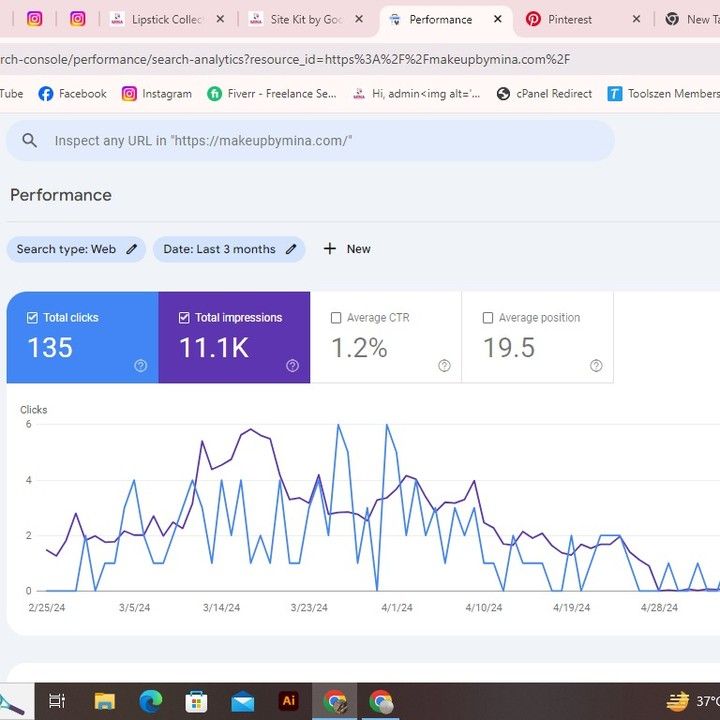
Performance audit examines the performance of your content according to user behavior. It verifies such metrics as traffic, bounces, time spent on page and conversions. This assists in identifying good performing pages which need to be extended. It also demonstrates poor pages which require improvements or rewriting. Performance audits will make you concentrate on the activities that yield the greatest outcomes.
Content Inventory in a Content Audit

A content inventory refers to a list of all the URLs on your web site.
It entails blog posts, service pages, landing pages and product pages. This list will assist you to keep track of what you have and its state. There are also duplication, gaps and opportunities revealed in a content inventory.
It forms the basis of good and powerful content audit.
How to Collect Content Data
One of the major components of a content audit is data collection. Such tools are Screaming Frog, Google Search Console, and Ahrefs. Such tools facilitate the collection of traffic statistics, keywords, and technical. Gathering relevant data is the key to a reliable and effective audit. In this step, it is possible to know what content is not doing well.
Evaluating Content Quality
Assessing the quality of content implies determining whether your content is useful and relevant or not. You need to check whether the content fulfills the search intent of the user. Quality content is original, informative and structured with good structure. It also ought to have good headings, visuals, illustrations and descriptions. Content of high quality always fairs better in search results.
Checking Keyword Optimization
To rank high in search engines, it is necessary to optimize on keywords. Content audit will determine whether the appropriate keywords are used in a natural way. It also recognizes the existence of keyword stuffing or omission of keywords. SSA will assist in searching engines to get to know your content. This contributes to the increased visibility and higher ranking potential.
Analyzing User Engagement
User interaction provides an indication of the way people engage with your content. Such metrics as bounce rate, scroll depth, and average time on page are important. A content audit indicates the pages that retain the user. It also reveals the pages that are abandoned by the user within a short time and the reasons why. Knowledge of engagement assists you to enhance content structure.

Spotting Content Gaps
Missing content Gaps are areas where your audience has search terms. Content audit will show where you require more pages or articles. These loopholes create avenues of appealing to more organic traffic. Producing new content due to gaps increases your topical authority. Blogs fill the gaps and make your site more complete and useful.
Fixing Duplicate and Thin Content
Replicated content damages your ranking since your search engines are confused. Slim content that contains a small amount of information also fares badly. A content audit helps to discover both forms of weak content. The aim is to rewrite, expand or consolidate pages in order to improve quality. This enhances user friendliness and trust.
Improving Content Structure
When the article or page is organized well, it becomes user and search engine-friendly. A content audit audits headings and subheadings and the general layout. It assists you to rearrange the long and cluttered material into comprehensible parts. The page should be well arranged so that users spend more time on it. This enhances interest and prioritizing possibilities.
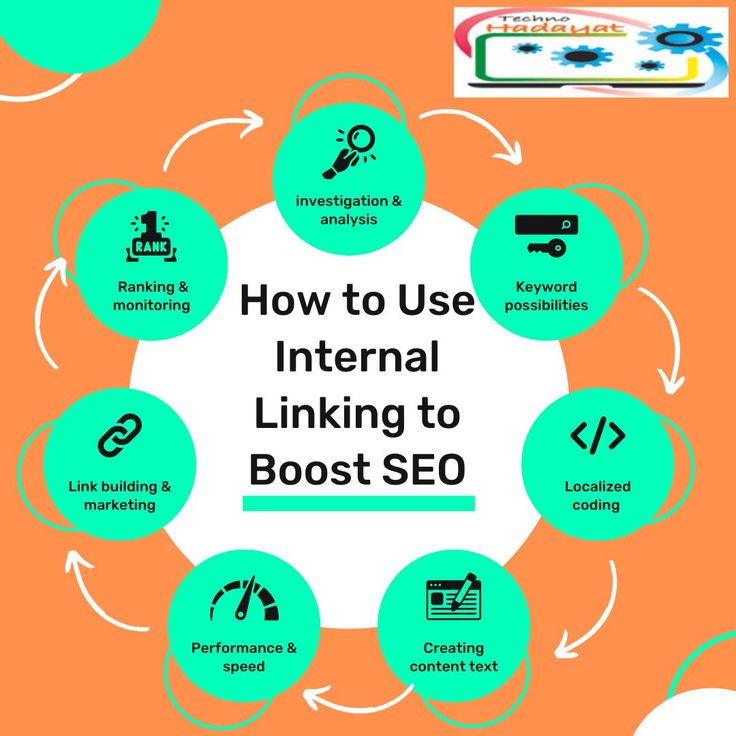
Internal Linking in Content Audits
Intranet links assist in moving the user and search engines around your site. Broken or missing internal links are identified in a content audit. It also finds out the opportunities to relate related content. Internal linking is good since it enhances your site structure. This increases rankings and user experience.
Updating Old Content
The best SEO ideas include updating old content. Old data falls in the ranking since it becomes irrelevant. A content audit demonstrates what pages require new information. Modifying enhances precision, legibility, and searchability. This makes your site up-to-date and competitive.
Deleting Useless Content
There are pages that would not be useful and need to be eliminated or redirected. A content audit can be used to determine such unneeded pages. Removal of weak content can enhance strength of ranking in general. It purges your site and eliminates negative low-quality signals. Minimized clutters ensure improved performance.
Content Audit Tools
There are numerous tools, which simplify and accelerate content auditing. The most popular ones are Screaming Frog, Semrush, Ahrefs, and Surfer SEO. Google search console and Google analytics are also insightful. These tools assemble valuable information as a guide to making better decisions. The proper tools are useful in ensuring that the audits are more precise.

How Often Should You Do a Content Audit?
he majority of the professionals inform that a content audit should be completed after every 6-12 months. Audits on large websites with a lot of content might be required on a 3 month time interval. Frequent auditing will keep your content up to date and competitive. They also ensure that you do not lose your rankings because of outdated information. Stability in auditing will result in long-run SEO expansion.
Benefits of Regular Content Audits
Content audits increase search rankings through elimination of poor content. They assist you in the enhancement of the user experience and the content. Audits indicate that there is a potential of new topics and Keyword updates. They are also useful in enhancing the conversion rates and engagement rates. All in all, content audit strengthens and smartens your website.
Conclusion: Why Content Audits Matter
To have a healthy and high-ranking site, content audits are needed. They are used to support you in knowing what is good and what should be better. Audits will make your site relevant, updated, and user-oriented. They enhance the work of the SEO and contribute to the increase of organic traffic. A successful content audit is an effective long-term growth investment.