
Keyword Research – A Complete Beginner-Friendly SEO Guide
Word look-up is key for your site & web work. Each shop must use good words. This way, you find the right folks & get real site hits. If you skip word look-up, your page may be lost. Your text will not have a clear goal. Google will not know what is on your page. When you use word look-up, you move up on search. You get true shop wins & see more folks come. Word look-up is a must for your web work & shop.
What is Keyword Research?
To do keyword work, you find words & groups of words that folks put in search sites. When you see the words they look for, you can make the right stuff & pages for them. This work with words helps you see what most folks want, what other sites try for, & if it is hard to get high in search. It lets you see just what your group needs. You find how to match what they want with your page & words. You help them with what you show & tell in your site.

Why Keyword Research Matters for SEO
Google puts pages first by what folks want & how it fits. If your page does not have words folk use, Google will not show it. Use the right words so your site shows up. This helps you get found more. It helps more people look at your page. It helps you stay on top for a long time. It is not just about getting clicks. It is about the right crowd, real buyers, & true sales from search. Use good words for this.
Types of Keywords
Short keywords are broad & have much fight.
Words like “SEO,” “Dentist,” or “Marketing” are some.
Long keywords tell a bit more.
Like “best SEO help in London.”
LSI words link things Google sees fit.
They are close words that show up with time.
Question words match what people ask lots.
Words for what folk want to know.
Buy words show who will spend cash.
These help shops find new, good users.
Good leads come from buy words.
Short, long, LSI, & question words all help you.
Short-Tail Keywords
Short-tail words have one or two words. They get lots of hits. But many try for them, so it is hard to rank. New folks find it tough to go high. These words are for the big idea. Google looks at short-tail words to know your thing. They help, but they can’t win on their own. You need more to rank well. For strong rank, use other words too.
Long-Tail Keywords
Long-tail words are clear & not broad. They show what folks want. It is easy to rank on them. They tell what the search is for. People use long-tail words when they know what to get. The chance to sell is high. New sites can rank fast with these words. Not much fight for spots. Long-tail words help make a good SEO plan. You get more real visits over time.
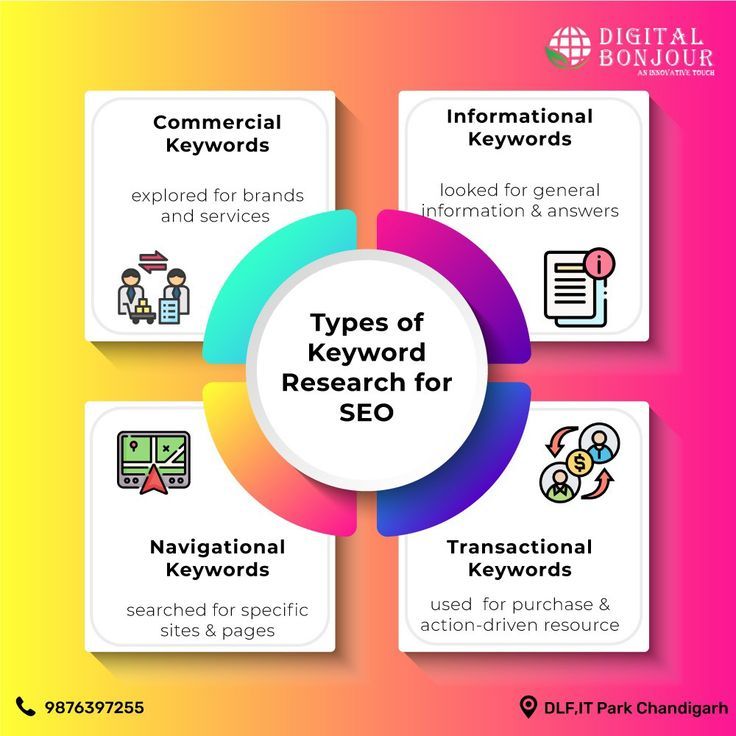
Commercial and Transaction Keywords
Words that show buy wish are “best SEO” or “top host.” Words to shop are “buy,” “hire,” or “get quote.” These words help shops get new folks who pay. Google likes words for buy wish. It helps shops & works well for their big needs. Shops use these to get cash & meet their goals fast.
Local Keywords
Words like city, place, or close spots are local words. For example, “Dentist London,” “Plumber near me,” & “SEO help Manchester.” Local words help shops get more folks from one town. These words make more calls, more trips, & more sales near by. They work well for shops that give help or do work for folks.
LSI Keywords
LSI words help your main word. If your word is SEO, LSI words can be links, page fix, word help, & local SEO. LSI words help Google know what you mean. This helps your page show up. It can help stop too many words of one kind. This can help your rank go up. LSI words make your point clear. It helps Google pick the best match. So, use LSI words with your main word. This is good for your site.
Keyword Intent
Keyword intent shows why folks search for a thing. Some want to know more. Some want to buy stuff. Some want to see how things stack up. Some want to learn more or get info. Info searches help find out facts. Buy searches look for things to get. Compare searches look at which is best. Learning searches help people learn. If you know what people want, you make words that help. Your words help Google know & help folks too. This way, both Google & people get what they need.
Keyword Difficulty
Keyword difficulty tells you how tough it is to rank for a word. If a word is hard, you need good links, more trust, & good page text. If the word is easy, new sites can get high spots fast. Tools like Ahrefs & SEMrush help check how tough it is with scores. Pick the right level for good rank. This step is key for smart search wins.
Keyword Volume
Search count shows how many folks look for a word each month. Words with big count pull in lots of eyes, but you need to be seen. Words with mid count are not too high & not too low. Words with low count may get less clicks, but more buys since they fit what users want best.
Keyword Tools
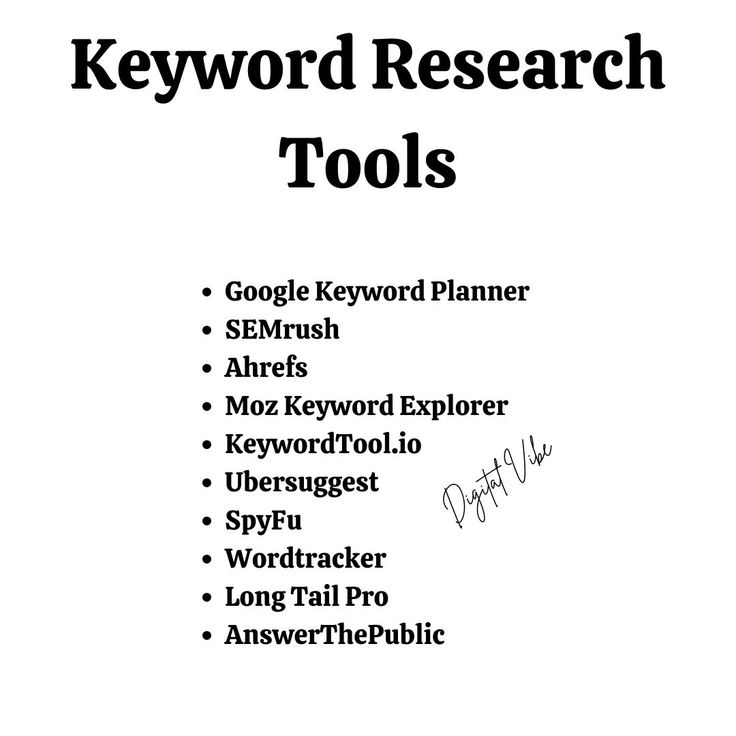
Google Keyword Planner gives top ideas for free.
Ahrefs shows deep info & foe data.
SEMrush helps check how hard words are.
Ubersuggest is easy & does not cost much.
AnswerThePublic shows what folks ask, with pics.
Competitor Keyword Research
Look at what other sites do. See which words bring folks to their page. You can check top sites. See what links they have. See what folks want. See which words help them rank well. Copy what works. Do not guess which words to use. This way, you get good ideas fast. It helps you save time & get more people on your page. You move up quick, not slow like old ways.
Long-Term Keyword Strategy
A good plan for words uses long words, buy words, ask words, & near words. This mix helps you get a good SEO plan. Do not just go for big words that many use. Pick words that fit your work & goals. Find words is not just to be on top. It is to help your work & get more buys. Use words that bring real help & get you wins.
How to Choose the Right Keywords
Pick words for your field & people.
Make sure words fit your aims.
Look at how many seek the word.
See if it is hard to use.
Do not pick hard words when new.
Use words with more bits & ask-words to get quick rank.
Keyword Mapping
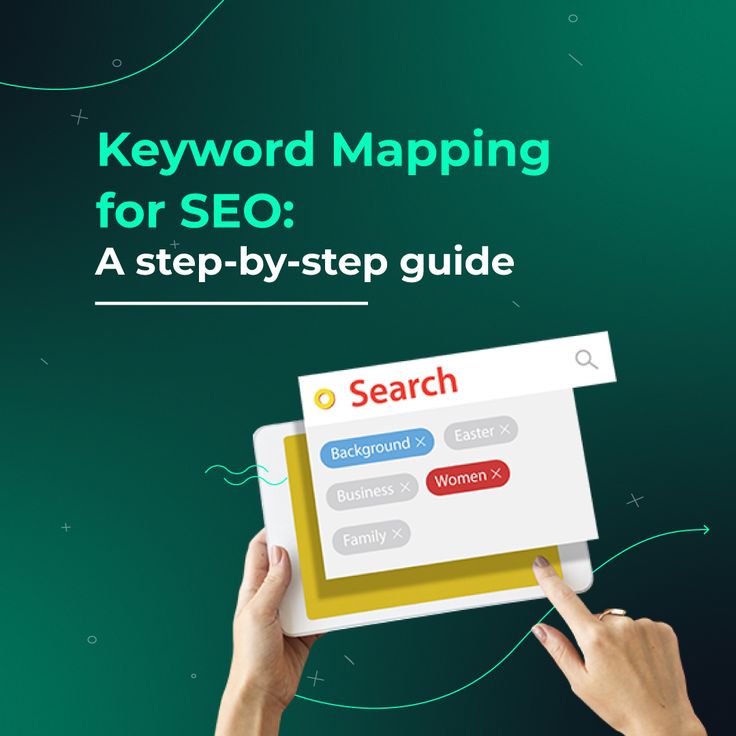
Keyword map puts words on pages. This stops mix ups with words. Each page should aim for one main word & also some side words. This makes your site easy to look at & helps Google find each page in the right way. A map for words keeps pages from fighting each other on your site.
Conclusion
Key word work is the first step for SEO. It is a strong way to grow online. When you know what users want, who you fight with, & small words to use, you rank high in time. Key word work helps you plan what to write. It helps with SEO plans & helps you reach your goals. If you want to win, start key word work before you write. Do it fully first. Start there for real results.