
SEO Audits – Complete Guide for Beginners and Businesses
SEO Audits are the most crucial processes in online marketing since they assist in knowing why your site is not ranking and what should be done to rank it. An effective SEO audit verifies technical issues, content issues, back links, keywords, site performance and site health. Google will have more trust in your pages and rank higher when your site is completely optimized. In case you desire the long-term organic visibility, the regular SEO Audits are extremely needed.

What is an SEO Audit?
An SEO Audit refers to an in-depth examination of your site to assess the technical problems, the search engines, keywords, factors of rankings, and the improvements. The aim is to know why your web site is not getting up and what needs to be done to rectify the issues. SEO auditing will assist in growth opportunities. It provides a precise roadmap on how to enhance traffic, conversions, and visibility.
Why SEO Audits Are Important?
SEO Audits will aid in the identification of technical mistakes that have a direct impact on ranking and performance. Google favors websites that are error free, speedy and easy to use. In the case of broken links on your site, the indexing problem or duplication of your site, your ranking is automatically decreased. The questions are sorted out with SEO audit. A good audit will reveal your strengths, weaknesses and advantages of your competitors in search engine..
Types of SEO Audits
Technical SEO corrects site structure, codes, and errors and performance problems.
On-page SEO audit is concerned with the content, headings, internal links, and keywords.
The off-page audit audit examines the backlinks, authority score, and online mentions.
Local SEO audit tracks citations, Google Business, maps ranking, and local signs.
Full SEO audit is a combination of all these in a full review towards strategic enhancement.
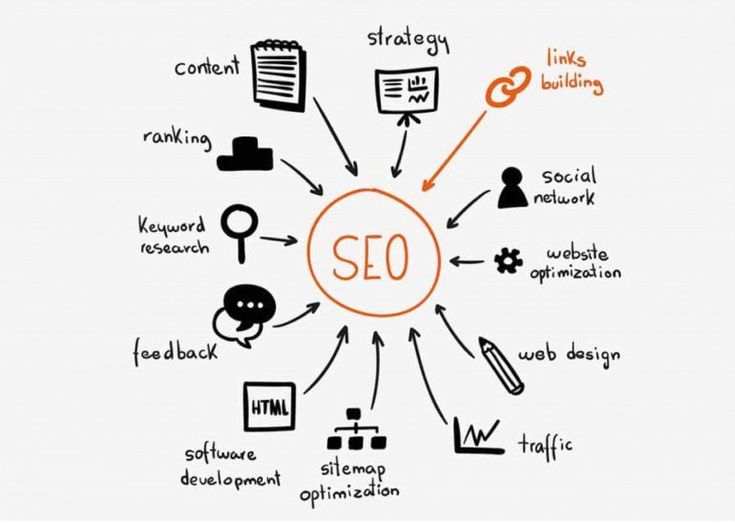
Technical SEO Audit
The first section of the website auditing is the Technical SEO Audit since the performance of the site is significant in the ranking by Google. It verifies page errors, broken links, redirects, XML sitemap, indexing, security and mobile friendly. Google may not visit your pages in case your site is found to be slow or un-crawlable. Technical auditing will give you full access to your site by making it search engine and user friendly.
On-Page SEO Audit
On-page SEO Audit checks content quality, level of keywords placement, headings, description, image tags, URL structure and internal links. Google ranks pages which present clear information and conform to requirements on the page. Having your content appropriately optimized enables Google to know your niche and search purpose. On-page auditing makes sure that you have your content in tandem with user requirements and ranking.
Off-Page SEO Audit
Off-page SEO Audit is concerned with backlinks, online mentions, domain authority, trust score, and brand signals. How many websites give your domain the nod, Google checks this, and it boosts ranking potential. Rankings reduce at an alarming rate in case of bad backlinks or spammy mention of your site. Off-page auditing assists you in excluding the toxic back links and create strong and high authority links that enhance domain ranking.
Content Quality Audit
Content Quality Audit reviews grammar, readability, keyword optimization and search intent and uniqueness. Google desires quality information that will assist the user to solve problems. In case of copying of content, out of date, or unrelated content, Google decreases ranking. A good content audit will assist you in rewriting content, placing in the content you need and updating articles depending on the trends as well as the demand of the users.
Backlink Audit
Backlink Audit verifies the quantity of the backlinks that your site has, and their quality. Back links are hugely critical in ranking as they are an indication of trust. In case of weak, poor and spammy backlinks, Google might punish your domain. The backlink auditing will allow you to see good links, eliminate bad links, and develop the plan of building the authority safely over time.
Keyword Audit
A keyword audit is one that will examine keywords that you are already ranking and what you are missing. Most of the sites end up on the wrong keywords and do not get traffic. Key-word auditing assists in the selection of search terms, search purpose, and competitive terms. This provides you with an easy focus and enhances your content strategy grounded on actual opportunities.
Mobile-Friendly Audit
Users of most web sites are found on cell phones, particularly in the year 2025 and years ahead. Google gives higher ranking to mobile-friendly websites since now user experience matters more. Mobile auditing involves layout, font size, speed, responsiveness and load testing. When your site is not mobile optimized, then you automatically lose ranking and conversion opportunities.
Website Speed Audit
One of the best ranking factors in the Google algorithm is the speed of websites. Delays in the websites ruin the users experience and the visitor runs away. Slow auditing audits, render blocking resources, optimizing images, and caching problems. This is aimed at ensuring that all pages load in less than 2 seconds. More retention and traffic are recorded by faster websites.
UX Experience Audit
User experience contributes significantly to the performance of the websites since Google attends to the behavioral clues. Checks of UX audit readability, menu, page structure, CTAs, or navigation flow, or conversion path. When the time spent on your website is less by the users, then the ranking declines. The process of UX auditing provides a smoother experience which can be able to keep the visitors longer and more active.
Competitor SEO Audits
Competitor SEO Audits enable you to research what your greatest competitors are doing to rank more. You are able to examine their back links, their content subjects, key words, and tactics. Competitor auditing also shows gaps in rankings and opportunities that you can utilize. This is what makes the real inspiration to fast growth. Competitor audits enable one to respond intelligently and outmane.
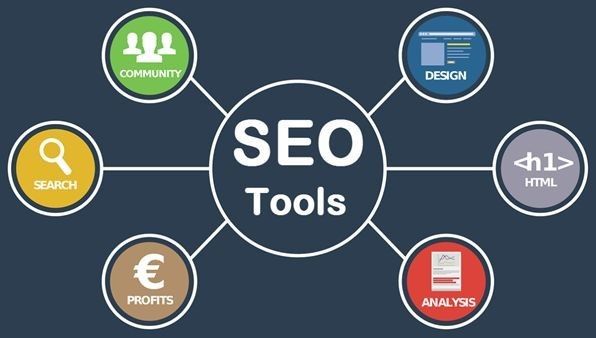
Tools Used for SEO Audits
Google Search console is used in the investigation of indexing and performance errors.
Ahrefs evaluates backlinks and rival performance.
SEMrush gives search engine optimization information and SEO audit facilities.
Screaming frog detects technical problems in the site.
Google Analytics measures user behavior indicators and conversions.
Benefits of SEO Audits
Enhances performance ranking.
Permanently fix technical errors.
Grows the traffic and organic exposure.
Builds stronger authority
Enhances the trust on the sites.
SEO auditing is sustainable since one will be assured of a continuous improvement.
In the absence of auditing, the performance of SEOs is vague and unpredictable.
How Often Should You Do SEO Audits?
According to the majority of experts, a full SEO Audit should be done after every 3 to 6 months. The search engines keep their algorithm constantly evolving and unless your website is updated then your rankings start to decline. This is because frequent audits will keep your performance high. In case your site is regularly updated with the content, you must audit even more frequently.
Final Conclusion
The success of ranking and long term visibility depends on SEO Audits. They assist you in knowing problems, enhance output, and create greater digital power. Regular auditing should be done in every business that aspires to achieve organic traffic. SEO Audits will grow any business whether you are a small business or a large one. Properly audited site will always be ranked higher and will have better performance as compared to non-optimized sites.